


Last year Elizabeth Acevedo’s novel THE POET X garnered, among other awards, the National Book Award for Young People’s Literature, the Pura Belpré Award for outstanding Latinx literature, and the Printz Award for excellence in young adult literature. The audiobook, narrated by Acevedo, was an Odyssey Honor, an Audie Awards finalist in two categories, and an AudioFile Earphones Award winner. Her newest title, WITH THE FIRE ON HIGH, has already received three starred reviews.
Recent Work



Fans of the idiosyncratic private investigator Jackson Brodie should thank their lucky stars for Kate Atkinson, author of the Brodie novels. Not only did she create the character--world-weary yet hopeful, deeply moral, occasionally law-breaking, and, well, marvelous--she recommended actor Jason Isaacs for the role. Now he simply is Jackson Brodie on audio and in film, and she couldn’t be more pleased. Admittedly, they did have a “little friendly tussle” over Brodie’s accent, which in Isaac’s rendition is more generically Northern England than what the Yorkshire-born author hears when she writes. “But he has to do lots of other characters as well, and he does do them excellently. It’s definitely an art.” She acquiesced about Brodie’s accent. “Now,” she laughs, “he refuses to give up the character come hell or high water. He regards it as his. I regard it as mine. But he does really regard it as his.” She smiles, for it has worked out just as she intended.
Recent Work

Critically acclaimed author Tami Charles’s life is defined by leaps of faith, including leaving a successful career as an educator to write full-time. “I give lots of credit to my husband. I was teaching and writing--early mornings, late at night, on weekends. But that takes its toll. ‘What if you go all in on the writing?’ he encouraged me.” Charles finally decided to “go for it” after securing her fifth book advance. “Even then, part of me was afraid to walk away from something I’d loved for years.”
Recent Work

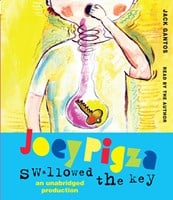
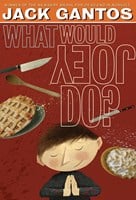
Jack Gantos has a knack for capturing a child’s view of life, whether he’s writing about hyperactive Joey Pigza—who swallowed a house key just to see if he could fish it back up—or Jack Henry—who spends his time chasing trains, UFOs, and bugs for his collection. Gantos also writes a picture book series about Ralph, a pet cat with a nasty attitude.
Recent Work
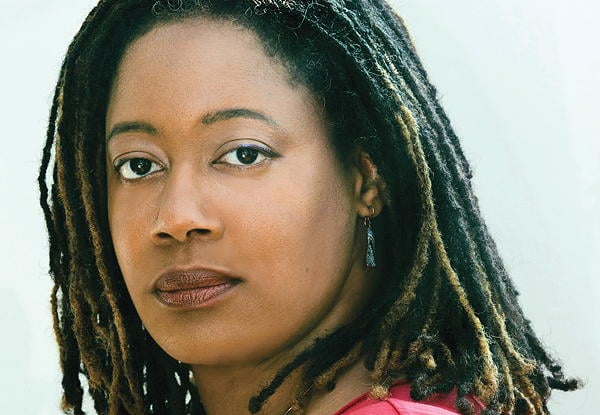
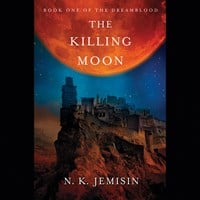
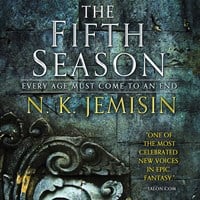
Hugo Award-winning novelist N.K. Jemisin goes to great lengths to “get it right” in her speculative-fiction stories, in which she explores a wide variety of Earth-bound subjects. She achieves her universe-building with finely drawn descriptions and fast-paced action. “I’m not doing anything different from what’s common in science fiction and fantasy. To make a story feel real, you have to have a certain amount of detail.” Fans of her audiobooks will find the same attention and craft in the recording of her latest book, THE OBELISK GATE. “I really think Robin Miles brings skill and professionalism to the production.”
Recent Work

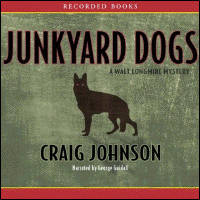
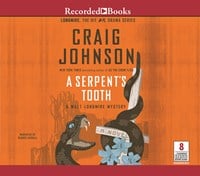
AudioFile caught up with Craig Johnson, Wyoming-based author of the bestselling Walt Longmire series, just before he was about to take off on his motorcycle to continue the book tour for his recently released novel, DRY BONES. After the Longmire books grew in popularity, Johnson began hearing from independent bookstores in small, out-of-the way places, asking when he could visit. “After about four years, in order not to disappoint, I started doing The Great North American Outlaw Motorcycle Tour,” he says. He allows two weeks for this tour. “But I’ve learned that after doing a month-long national tour, I need to give myself some time to get things done here at home, get squared away at the ranch, before I take off and go again.”
Recent Work
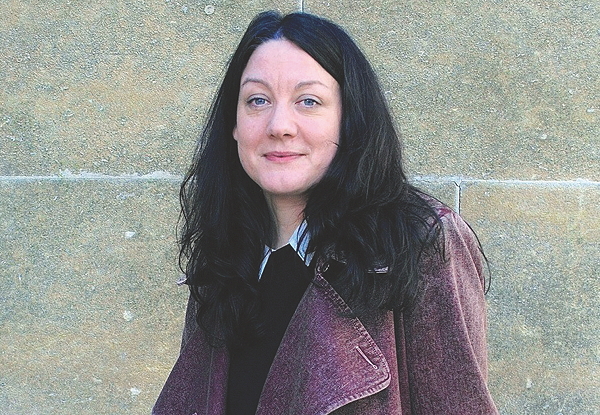
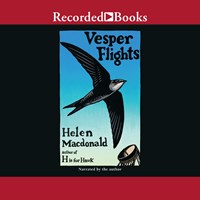
“I’m sitting here with a parrot on my knee having a nice cuddle,” says author Helen Macdonald on the long-distance line from England. “If I upset him, I’m going to have chunks taken out of my arm.”
Recent Work
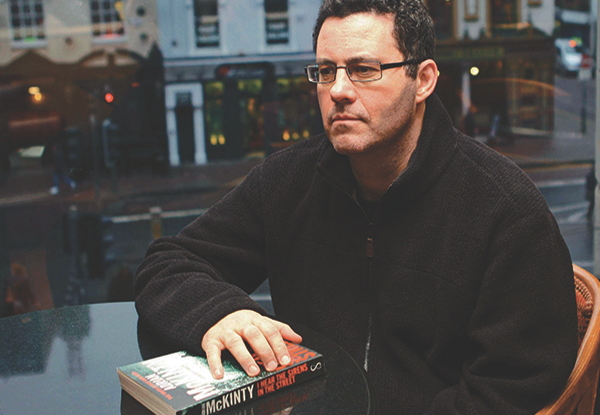
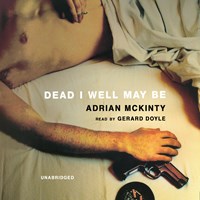
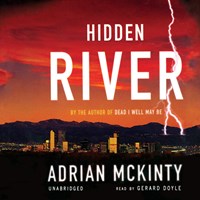
Growing up in Northern Ireland during “The Troubles” provided Adrian McKinty a natural training ground for a career as a crime noir novelist. McKinty is acknowledged not only as one of the leading voices of Irish crime fiction but also as one of the top voices in hard-boiled crime fiction in the world today. After reading McKinty’s 2003 novel DEAD I WELL MAY BE, Pulitzer Prize winner Frank McCourt called McKinty “a cross between Mickey Spillane and Damon Runyon.” Another author, Peter Blauner, compared McKinty’s writing to Frank McCourt’s “if he had gone into the leg-breaking business.”
Recent Work
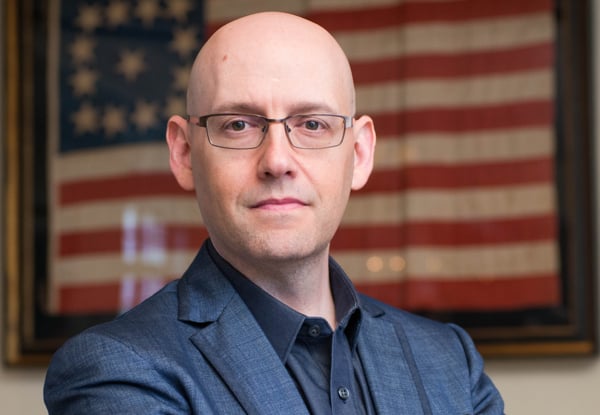
New York Times bestselling writer Brad Meltzer wants listeners to know that every aspect of his new book, THE ZERO GAME, was thoroughly researched. He’s determined to engage every corner of the listener’s mind. "There is a hidden labyrinth below the Capitol. I was crawling underground on my hands and knees in a suit, with dust in my lungs. All those details, all those hidden places in the Capitol, are all real."
Recent Work
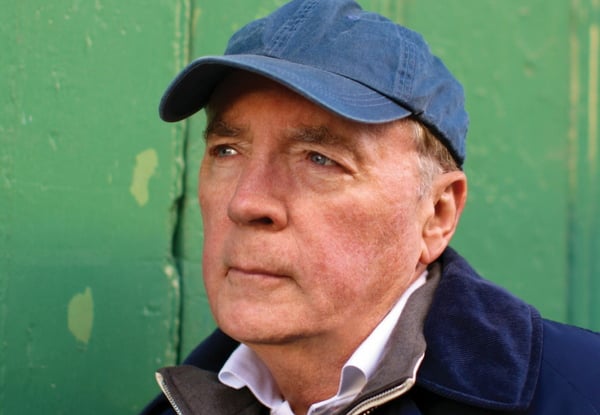
James Patterson populates his books with terrorists, serial killers, and ruthless criminal masterminds. In contrast to the grisly content of his bestselling novels, Patterson turned out to be a pleasant, easygoing man when AudioFile caught up with him during his four-month, thirty-city tour. “I’m addicted to audiobooks, and every time I get in the car now, that’s all I do. I’m a huge, huge fan,” said Patterson, whose novels top the audiobook sales charts. “It’s a really exciting form. In particular for people who spend a lot of time driving or jogging, it’s the best. I converted about three years ago.” Up until that point, Patterson had led the hectic life of a city dweller. “I had no time. I didn’t want to think about audiobooks. Then I moved to the country. I spend a lot more time in the car. Now every time I get in the car, in goes the audiobook, even if it’s a ten-minute trip.”
Recent Work
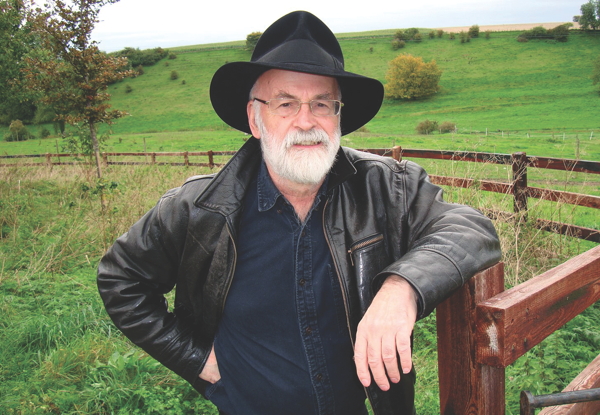
We are saddened that Terry Pratchett passed away in March 2015.
Nine-year-old witches with first sight and second thoughts, luggage that travels by itself, and six-foot dwarfs--these are are just a few of the delightful characters that inhabit Terry Pratchett's long-running Discworld series--a wondrous universe that combines the trappings of fantasy (wizards, dragons, elves, etc.) with some of the wittiest, silliest, most penetrating satire being written today.
Recent Work

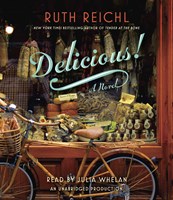
When Gourmet magazine abruptly closed in October of 2009, editor-in-chief Ruth Reichl was as shocked as the rest of the world. Returning from a book tour, she faced the end of a life she’d loved. “I thought--what am I going to do with the rest of my life?”
Recent Work
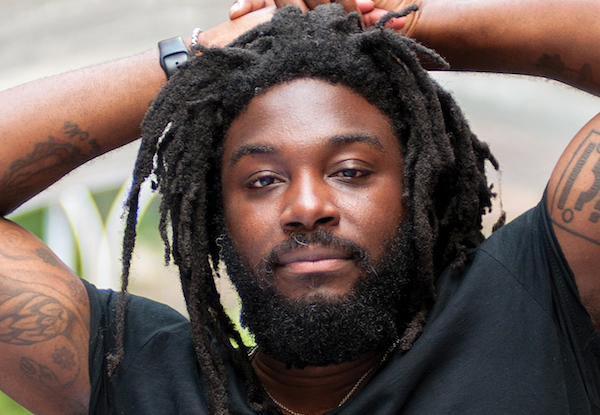
Jason Reynolds is a bestselling author whose novels for middle schoolers and teens have been honored by the National Book Awards, the NAACP Image Awards, and the American Library Association. But perhaps his greatest accolade is the trust and respect of the many teens with whom he speaks. How does he engage them and earn their trust?
Recent Work
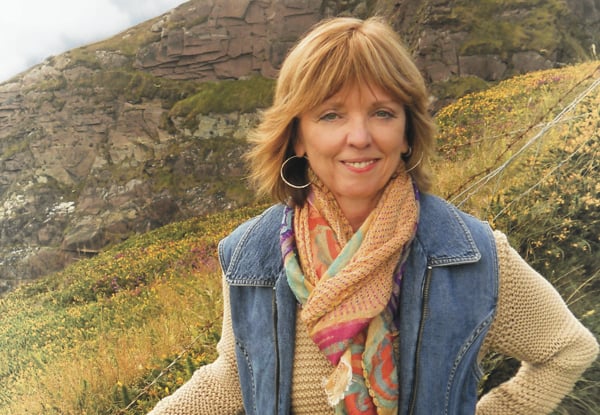
According to PUBLISHERS WEEKLY, Nora Roberts has written more bestsellers than anyone in the world. How does she do it? “Reading is the best writer’s tool in the box,” Roberts says. “I did plenty of that as a child. I think sometimes you’re just a born storyteller. You have to learn the nuts and bolts in order to turn that storytelling ability into articulating an entertaining story on the page, but a lot of times it’s instinctive.” Since her first published book in 1981, Roberts has produced about seven books a year. She adds, “It doesn’t matter how fast I write, it’s the quality of the output I care about. My books are about people. They’re character-driven. Relationships are the key to all of my books.”
Recent Work
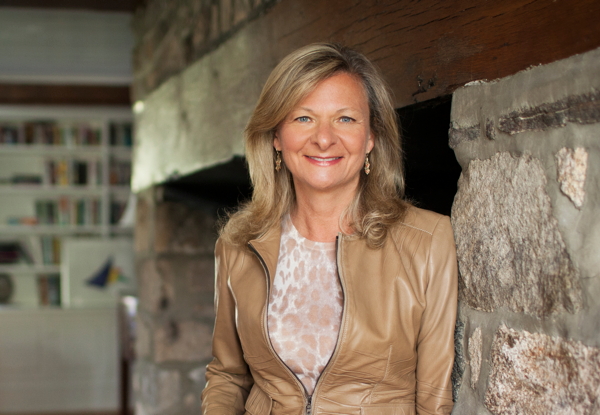
When bestselling author Lisa Scottoline writes, she surrounds herself with sound. “I have on satellite radio and the Olympics, and dogs are barking in the background. It’s all good for me! At one point, I even had a baby monitor in the chicken coop so I could hear them, too!” Scottoline believes these sounds contribute energy and rhythm to her work. “I like the cacophony. I like voices. They help me think better.” Listening, she believes, helps her tap into what she calls the aural component of writing, helping it “ring true. When the writing rings false,” she explains, “you feel it in your ear.”
Recent Work

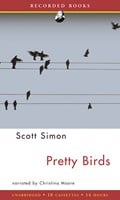
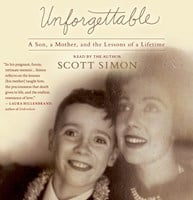
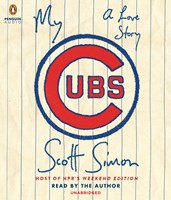
Scott Simon talks for a living, so one might think that narrating the audio version of his most recent book would be a cinch. But the longtime National Public Radio reporter and host of NPR’s “Weekend Edition Saturday” discovered that reading a memoir aloud brought special challenges as well as pleasures.
The book blends the life story of Simon’s mother, Patricia Lyons Simon Newman, a lively, lovely, and wise former showgirl; Simon’s remembrances of growing up as her son and acolyte; and a description of their final week together as she lay dying in a hospital intensive-care unit.
Recent Work
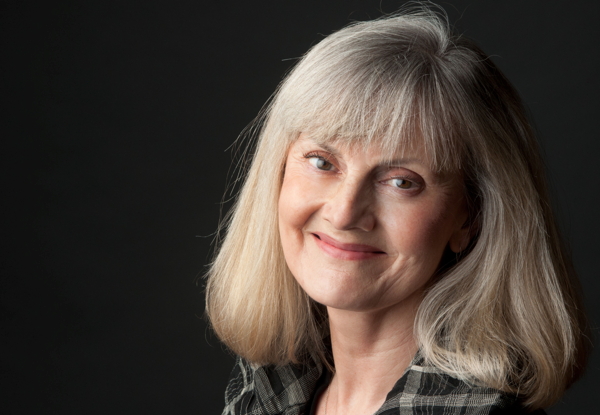
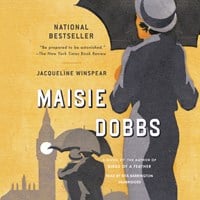
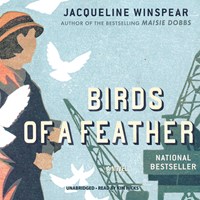
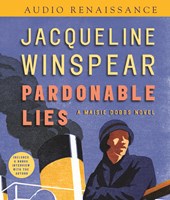
In early October of 2006, mystery author Jacqueline Winspear was featured on the “CBS Morning Show,” highlighting how her success as a novelist was a dream come true. The native of Kent, England, who had variously worked as a flight attendant, a marketing rep, and in the academic publishing world, moved to the U.S. in 1990. One day, while stuck in traffic in San Rafael, California, a daydream began to solidify into the character and the story that became her first novel, MAISIE DOBBS (2003).
Recent Work
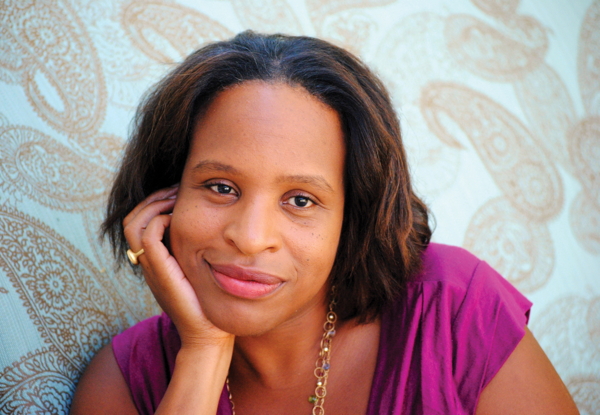
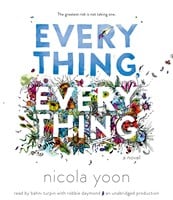
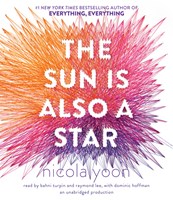
“I love love!” declares Nicola Yoon. And that’s clear in both her young adult novels. It’s also clear that she adores storytelling. These two passions have merged and flourished, winning her countless fans. Moreover, recently she garnered the 2017 Coretta Scott King/John Steptoe New Talent Author Award and a Printz Honor award for her second book, THE SUN IS ALSO A STAR.
Recent Work




























































We're now Kirkus Audiobook Reviews!
You can continue enjoying all of our audiobook reviews right here while we prepare our new home on KirkusReviews.com
In the meantime, visit Kirkus Reviews for the latest book reviews, author news, and more.